
Zombie Perception & Spawning – How The Horde Fights Back
Hello Responders!
In our two most recent blogs, we talked about the foundational updates we’ve made to the arsenal of weapons players can use against the horde. Those adjustments are only half of the combat story, so today we’re going to talk about the other side to paint the whole picture: the zombie perception and spawning tuning that came as part of Revelation, how it enables more player expression and cinematic moments, while also allowing for better balance across maps and difficulties.
Lying in Wait
Our Objective scenarios all involve Responders arriving at the scene and quickly navigating their way through populated areas. Prior to Revelation, hiding rarely felt like a viable option even when properly geared and consciously attempted due to how persistent our zombies were.
One of the largest goals of our perception changes was to make it so their attention could be more easily managed, both to capture and avoid. We reduced their field of view from 220° to 150° (effectively cutting their overall view by 30%), dramatically shortened their attention time on lost targets, and added the ability for them to stop and think when arriving at a player’s last known location.
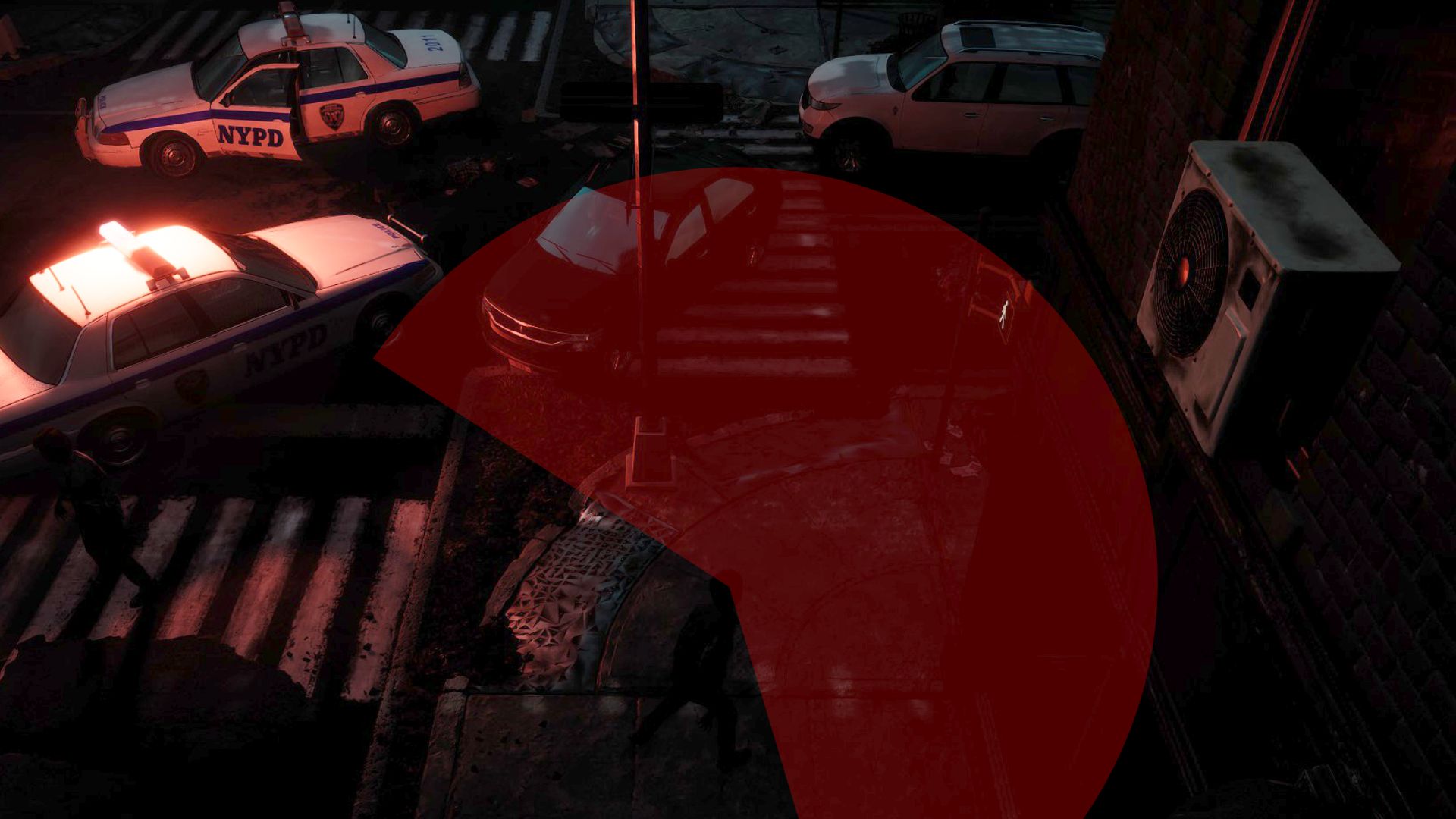
Zombie View Angle prior to Revelation
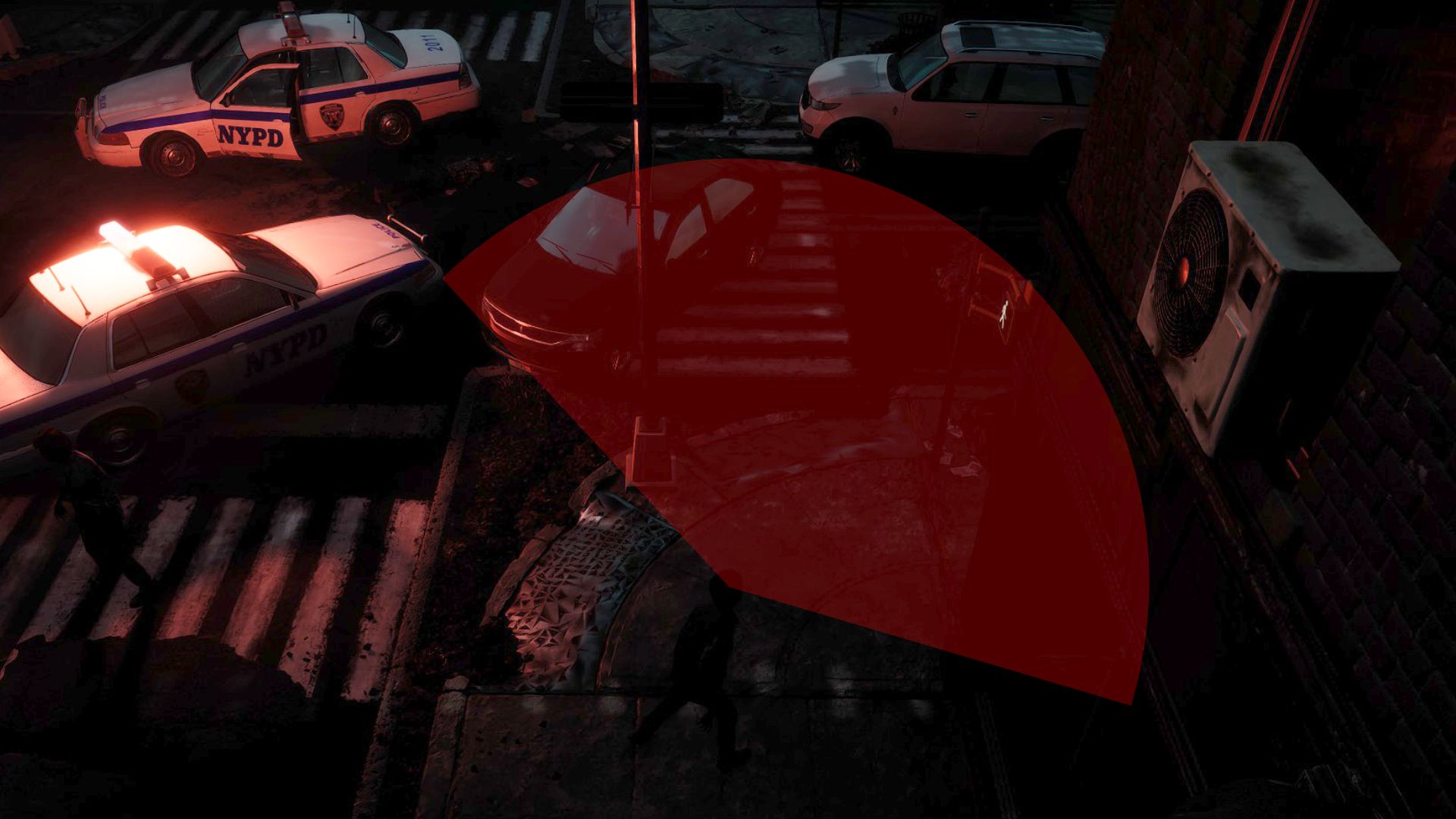
Zombie View Angle after Revelation
These changes now make the horde more reactive yet distractible, opting to pick whomever seems like the easiest prey as opposed to sticking to one Responder even when they escape their immediate area. Alongside the improvements to weapon sound generation and suppression, hiding from small groups is a viable strategy especially on lower difficulties. Taking the attention away from an ally completing an objective, or by sneaking past a group when traveling to a meetup point, there are now more ways to take back home field advantage from the horde than ever before.
Ever-Present Threat
How zombies spawn, both on your first visit to a location as well as after it’s been cleared out, sets the pace of every run. When looking at how we could improve both the moment-to-moment gameplay as well as overall difficulty of a given playthrough, adjusting the cadence of spawning is the most wide-reaching knob to turn.
In No More Room in Hell 2, we control the amount of zombies on a map by setting minimum and maximum amounts alive at a given moment in the entire level, depending on the map and how far players have progressed in objectives. We also always try distributing zombies into areas players are within or approaching. This system is designed to try and keep every zone at the right danger level while not overwhelming isolated players, yet cranking up the pressure as the end gets closer.
In Revelation, we’ve adjusted how this tuning works across various difficulties to raise pressure on groups of players. Ideally, we can encourage more strategic gameplay to split the horde up and raise your odds of survival at the risk of getting separated.
There is an additional aspect to zombie spawning: certain sequences or objectives have constant pressure applied until completed – such as our holdout sequences in the Pottsville gymnasium or Beaulieu Hospital morgue. In cases like these, we use hand-placed spawners that keep on getting zombies in the map. This emphasizes the need for teamplay when tackling later objectives, and rewards players who spend time gearing up before attempting to progress.
We’re happy with what we’ve seen so far from extraction rates and zombie pressure across maps, but we’ll continue to listen to feedback and finetune any issues you all have discovered. Speaking of, here’s a rough representation of the difference in zombie pressure around objectives on Broadway between the Genesis and Revelation updates using heatmaps of player deaths. Overall, less players are dying in traversal zones and more players are dying on or near objectives. Furthermore, we see more players making it to the later objectives to die in glory trying to extract, rather than just in the first holdout at the Diner.
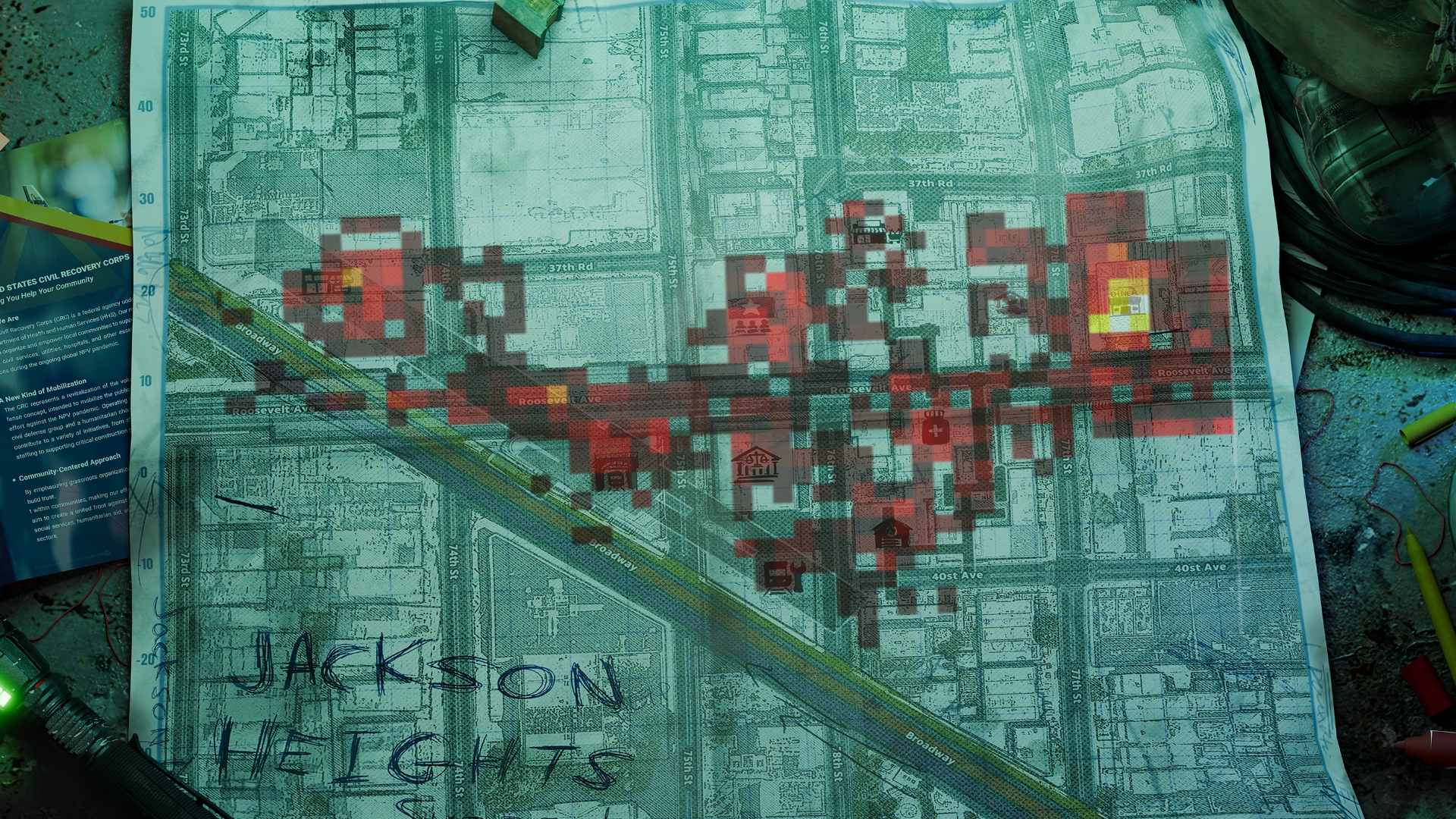
Map of Broadway overlaid with the first 2 weeks of deaths after Genesis
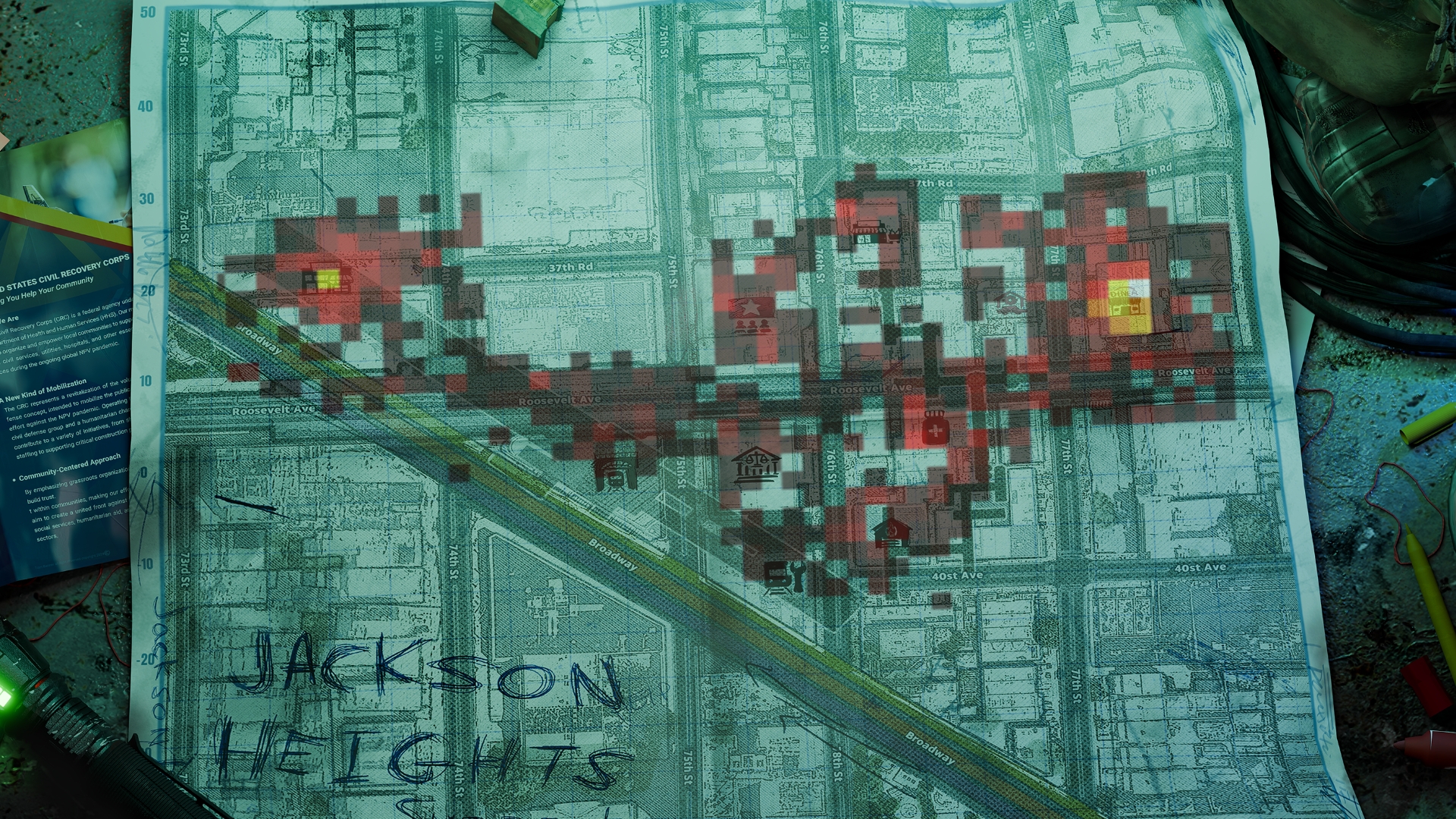
Map of Broadway overlaid with the first 2 weeks of deaths after Revelation
A New Challenge
When 1.0 arrives and Survival is added to game mode selection, our existing zombie spawning paradigm is flipped on its head. Players now gain the head start and can prepare for when zombies arrive in full force, which means we have to also adapt how we handle pressure. Zombies will threaten your defenses at a consistent rate once the timer starts, with a cap put in place to preserve opportunities to clinch victory from the jaws of defeat. The amount and types of zombies change as you’d expect on higher difficulties, however intensity is ramped up across the board compared to Objective scenarios.
The changes in Revelation not only act as a preview of what you can expect in Survival, but allow us more control in the future to ensure both experiences feel enjoyable yet distinct. We want No More Room in Hell 2 to bring thrills to players of varying playstyles but also retain its unique, hardcore identity regardless of mode. Nightmare should feel like a truly daunting experience that players aspire to complete…with the horde being the only thing standing in their way.
As always, stay safe out there!
The NMRIH2 Dev Team


